
Padel ist die am schnellsten wachsende Sportart der Welt: über 200 Turniere, 17 neue Länder und der Einstieg der US-Universitäten
Die Profitour umfasst inzwischen über 200 Turniere auf fünf Kontinenten und kommt 2026 um 17 neue Länder hinzu. Was diese Expansion für Vereine und Investoren bedeutet, die den Bau von Plätzen planen.
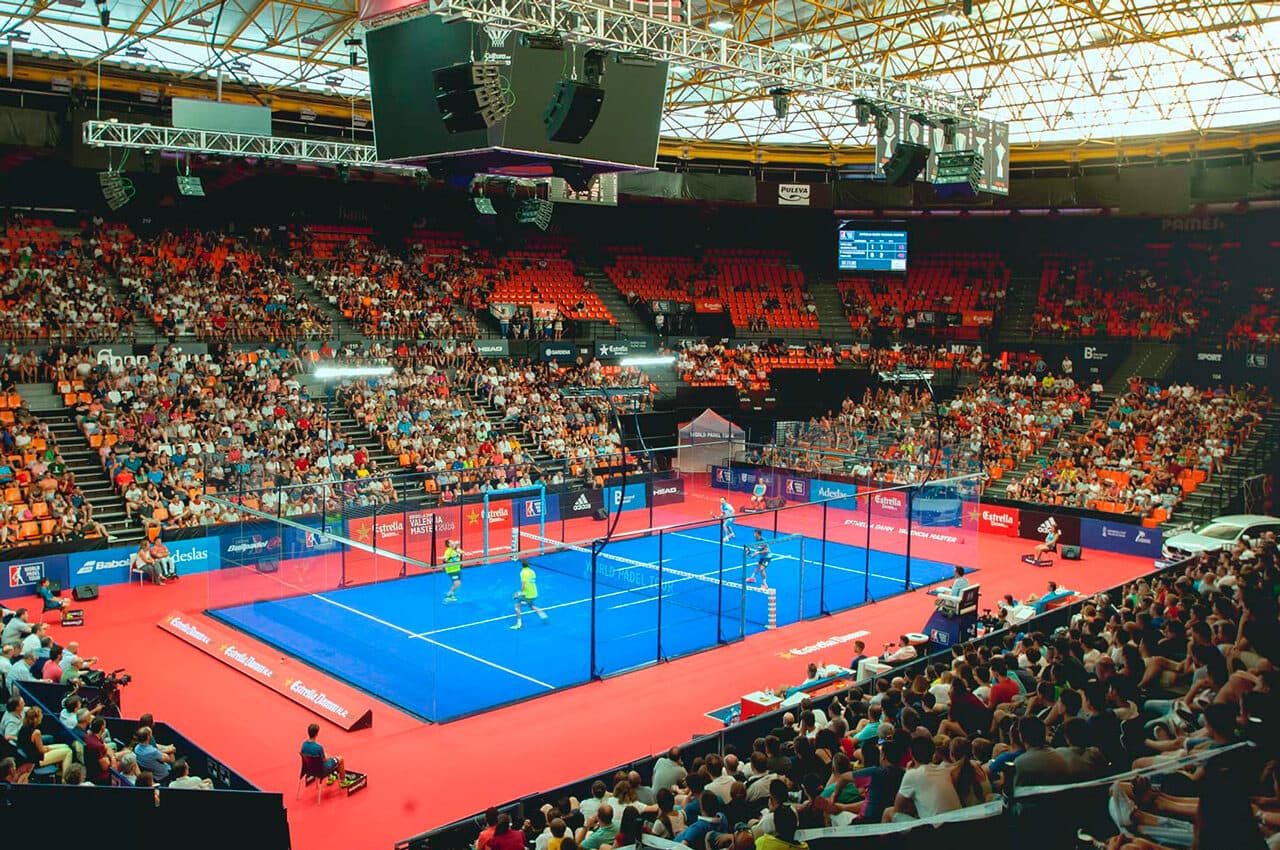
Padel ist kein mediterranes Phänomen mehr. Die CUPRA FIP Tour startet in 2026 mit mehr als 200 Turnieren auf fünf Kontinenten, fügt dem Kalender 17 neue Gastgeberländer hinzu und nahezu 400 kombinierte Tableaus über alle Kategorien. Es ist die datengestützte Bestätigung dessen, was die Branche bereits ahnte: Padel wächst schneller als jede andere Schlägersportart der Welt.
Von der Nischensportart zum Campus-Phänomen
Einer der aufschlussreichsten Indikatoren kommt nicht aus dem Profizirkus — er kommt von den Universitäts-Campussen. An der University of Miami haben Studierende und Alumni einen informellen Club zu einer Vereinigung mit 200 Mitgliedern ausgebaut, mit überdachten Plätzen, die auf dem Campus bereits im Bau sind. Es ist dasselbe Muster, dem Padel vor Jahren innerhalb der Tennisclubs in Spanien folgte: Zuerst leiht es sich einen Platz, dann verlangt es seine eigene Infrastruktur.
Dieser Sprung — von „wir spielen, wo wir können" zu „wir brauchen eigene Plätze" — ist genau der Moment, in dem ein Verein, eine Universität oder ein Immobilienentwickler eine Bauinvestition in Betracht zu ziehen beginnt.
Eine Profitour, die nicht mehr in den mediterranen Kalender passt
Der Internationale Padel-Verband (FIP) hat für 2026 ein neues Punktesystem (Star Point System) eingeführt und den Kalender der Qatar Airways Premier Padel Tour erweitert, während die FIP Promises Tour — der internationale Entwicklungspfad — gleichzeitig Jugendturniere in Malaysia, Südafrika, Spanien, den USA und Brasilien austrägt.
Auch die Übertragung professionalisiert sich: Premier Padel bietet nun englischsprachige Kommentare auf Red Bull TV, ausdrücklich für ein Publikum konzipiert, das den Sport zum ersten Mal entdeckt.
Was das für die bedeutet, die Plätze bauen
Diese Expansion ist keine bloße sportliche Kuriosität — sie ist ein direktes Marktsignal für drei Profile:
- Bestehende Vereine, die zusehen, wie die Nachfrage nach Platzstunden ihre installierte Kapazität übersteigt, und die mit neuen Plätzen erweitern müssen, überdacht oder nicht.
- Entwickler und Investoren, die Padel als Anlage mit mehr Wachstumsspielraum als andere, bereits reife Schlägersportarten identifizieren.
- Universitäten und Sportinstitutionen — wie Miami —, die die Nachfrage von innen heraus entstehen sehen und regelkonforme Infrastruktur brauchen, bevor sie offiziell konkurrieren können.
In allen drei Fällen ist die technische Frage dieselbe: welchen Platztyp bauen (Indoor, Outdoor oder Panorama), mit welcher Überdachung und unter welcher Homologationsnorm, damit die Investition nicht in dem Moment veraltet, in dem der Verein sein erstes offizielles Turnier ausrichten will.
Von der Nachfrage zum gebauten Platz
Das Wachstum des Profikalenders und das Aufkommen von Universitätsclubs in neuen Märkten wie den USA bestätigen einen Trend, den IDRECO seit Jahren aufmerksam verfolgt: Der Platzbau wird nicht mehr nur von der Freizeitnachfrage getrieben, sondern von einem wettbewerbsorientierten Markt, der vom ersten Tag an zertifizierte Anlagen verlangt.
Wenn Sie eine Erweiterung prüfen oder ein neues Platzprojekt starten, liegt der Moment, mit technischer Strenge zu planen — und nicht nur nach der heutigen Nachfrage —, bevor die erste Bauzeichnung unterschrieben wird.